Air Fryer vs. Convection Oven: Understanding the Real Differences
The Common Misconception
A frequent claim in kitchen appliance discussions is that air fryers are simply small convection ovens. While both appliances use fans to circulate hot air around food, this oversimplification misses critical engineering differences that directly impact cooking results.
Understanding these differences helps you choose the right tool for each cooking task and get the best results from whichever appliance you use.
Airflow Design: Speed and Concentration
The fundamental difference lies in airflow engineering. A convection oven uses a relatively large fan (typically 15-20cm diameter) mounted at the rear of a spacious cavity. This creates gentle, distributed airflow across a large cooking area.
An air fryer uses a smaller, high-speed fan (typically 8-12cm) positioned directly above a compact cooking chamber. The ZESTCO EasyCook series, for example, uses a 3000RPM circulation fan that generates concentrated, high-velocity airflow. This creates a more intense convection effect, resulting in faster heat transfer to food surfaces.
The practical result: air fryers achieve crispier exteriors in less time. A batch of french fries that takes 25-30 minutes in a convection oven typically reaches the same crispiness in 12-15 minutes in an air fryer.
Energy Efficiency
Air fryers are significantly more energy-efficient than convection ovens for small to medium portions. A typical air fryer draws 1400-2200W and reaches operating temperature in 1-3 minutes. A convection oven draws 2000-3500W and requires 10-15 minutes of preheating.
For a typical 20-minute cooking session, an air fryer consumes approximately 0.5-0.7 kWh of electricity, while a convection oven consumes 1.2-1.8 kWh. Over a year of daily use, this difference translates to meaningful energy savings.
However, for large-batch cooking (feeding 6+ people or preparing multiple dishes simultaneously), a convection oven's larger capacity makes it more efficient per serving.
When to Use Each Appliance
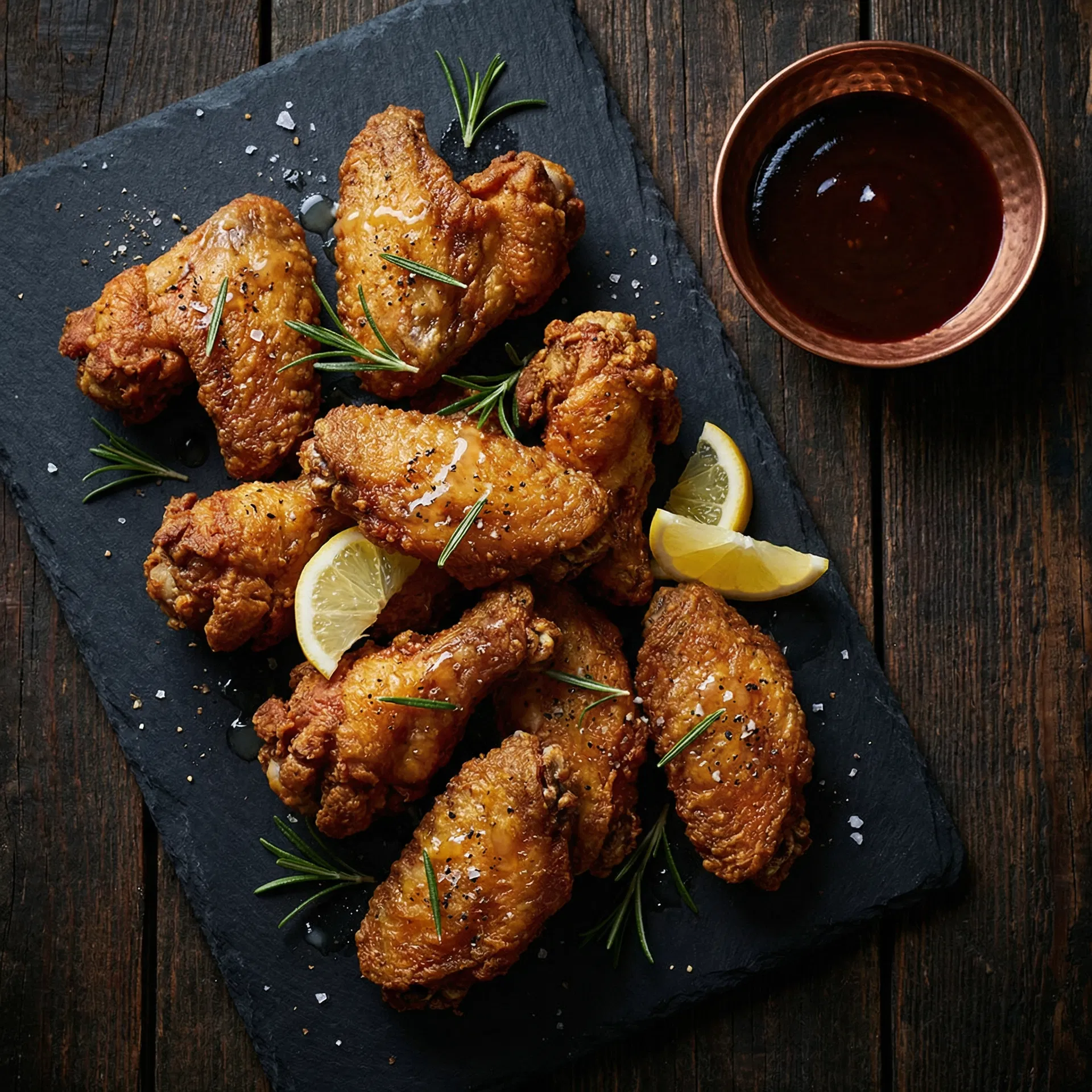
Air fryers excel at: single-layer cooking (fries, wings, vegetables), reheating leftovers (restoring crispiness that microwaves destroy), small-batch cooking (1-4 servings), and foods that benefit from intense surface browning.
Convection ovens are better for: large roasts and whole chickens, baking (cakes, bread, pastries), multi-rack cooking, and dishes that require gentle, even heat over long periods.
The ideal kitchen has both. An air fryer handles 80% of daily cooking tasks faster and more efficiently, while a convection oven serves as the workhorse for larger meals and baking projects.